
Have You Ever Wondered Where Your Household Waste Goes?
Have you thought about the impact of disposing of waste into landfills or feeding it to piggeries? These practices are common among bulk food waste generators, such as industrial canteens, apartment complexes, and food processing industries. However, their environmental implications are significant.
Let’s examine how traditional methods of organic waste disposal compare in terms of greenhouse gas (GHG) emissions, and their subsequent effects on soil, climate, and humanity.
GHG Emissions from 1 Ton of Food Waste Using Various Disposal/Treatment Methods:
1. Landfilling
- Food waste in landfills undergoes a slow decay process over 10–12 years.
- According to Clean Development Mechanism (CDM) guidelines, 1 ton of food waste sent to a landfill annually (365 tons total) generates 2,650 tons of GHG over a decade.
- Landfilling food waste leads to long-term global warming impacts due to sustained GHG emissions.
2. Feeding Piggeries
- Food waste, rich in calories and nitrogen, is often used as pig feed.
- A single pig consumes 1.8 tons of food in its 9-month lifespan and produces 3.5 tons of GHG.
- Feeding 1 ton of food waste can sustain 320 pigs daily, which collectively emit an estimated 970 tons of GHG in just 9 months.
3. Anaerobic Digestion (AD)/Bio-Methanation
- AD processes require sophisticated setups for over 20 tons of food waste per day and constant monitoring of bio-chemical parameters.
- The biogas produced (200 cubic feet per ton of waste) is composed of 50% methane and 50% CO2, which must be utilized onsite. Transporting biogas is inefficient, consuming 70% of the energy equivalent during bottling.
- AD produces 3 tons of nitrogen-rich sludge per ton of waste, requiring costly composting to make it soil-friendly.
- While AD generates renewable energy, its scalability and cost-effectiveness remain challenges.
4. Aerobic Composting
- Composting emits approximately 550 kg of CO2 per ton of food waste, including emissions from added dry carbon materials.
- These emissions are biogenic, forming part of the natural carbon cycle, as the carbon originates from plants through photosynthesis.
- Aerobic composting minimizes methane emissions and produces compost that enriches soil fertility and enhances carbon sequestration.
Carbon Sequestration Potential of Compost
Composting offers a unique advantage: it aids in reversing climate change through carbon sequestration.
- Compost increases beneficial microbes in the soil, such as mycorrhiza, which uses CO2 to produce glomalin, a stable carbon compound that integrates into the soil without reverting to CO2.
- Applying compost to soil can sequester up to 2 metric tons of CO2 per hectare annually, providing a powerful tool against climate change.
Why Aerobic Composting is Superior
Unlike other waste management processes, aerobic composting not only reduces methane emissions but also yields compost that regenerates soil and enhances its capacity to store carbon. By integrating compost into the natural carbon cycle, it offers both immediate and long-term environmental benefits unmatched by alternative methods.
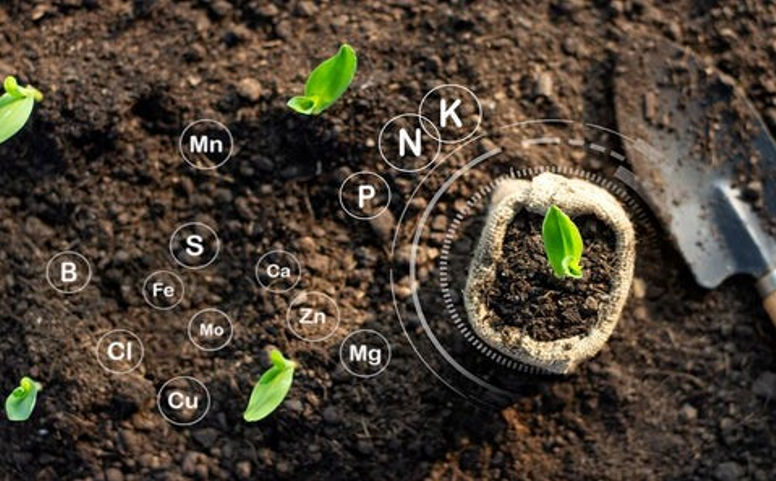
Welcome to Our Guide on Plant Nutrition
Dive into the captivating world of plant nutrition as we explore the critical roles of macro and micro nutrients in promoting healthy plant growth and maximizing yields. Understanding these essential elements is key to thriving gardens and farms. Let’s uncover the fundamentals of plant nutrition and learn how to optimize nutrient management for robust and productive plants.
The Basics of Plant Nutrition
Just as humans need a balanced diet for health and vitality, plants also require essential nutrients—delivered through the soil and fertilizers—to support their growth and development.
While plants are autotrophs and can produce their own food through photosynthesis, the soil may not always provide sufficient nutrients for optimal growth. Supplementing with additional nutrients is vital, and here’s why.
Types of Plant Nutrients
Plants need a variety of nutrients, broadly divided into two categories:
Macro Nutrients (Required in Larger Quantities):
- Nitrogen (N): Vital for leaf development and overall plant vigor.
- Phosphorus (P): Supports root development, flowering, and fruit production.
- Potassium (K): Enhances disease resistance, water regulation, and fruit quality.
- Calcium (Ca): Strengthens cell walls and supports root growth.
- Magnesium (Mg): Integral to chlorophyll and photosynthesis.
- Sulfur (S): Aids protein synthesis and enzyme activity.
Micro Nutrients (Required in Smaller Quantities):
- Iron (Fe): Essential for chlorophyll production and enzyme activation.
- Manganese (Mn): Assists in photosynthesis and enzyme functions.
- Zinc (Zn): Regulates hormones and carbohydrate metabolism.
- Copper (Cu): Aids enzyme activity and nutrient absorption.
- Boron (B): Crucial for cell division, pollen formation, and fruit development.
- Molybdenum (Mo): Facilitates nitrogen fixation and enzyme activity.
- Chlorine (Cl): Plays a role in photosynthesis and osmotic regulation.
- Nickel (Ni): Supports nitrogen metabolism and enzymatic processes.
Sources of Plant Nutrients
- Soil:
- The primary reservoir of nutrients, though availability depends on soil composition and structure.
- Organic Matter:
- Compost enriches soil by breaking down organic compounds into water-soluble nutrients, ensuring a steady nutrient supply for plants.
- Fertilizers:
- Supplements that replenish soil fertility and provide immediate nutrients. Fertilizers can be applied through irrigation or foliar sprays.
- Water:
- Proper irrigation transports nutrients from the soil to plant roots for absorption.
Identifying Nutrient Imbalances
- Deficiencies: Yellowing leaves, stunted growth, and poor fruit development signal insufficient nutrients.
- Excesses: Symptoms such as leaf burn, wilting, or abnormal growth patterns indicate toxicities or imbalances.
- Soil Testing: Regular testing helps diagnose nutrient imbalances and guides precise fertilization strategies.
Strategies for Effective Nutrient Management
- Balanced Fertilization:
- Use fertilizers that provide a proper mix of macro and micro nutrients tailored to plant needs.
- Timely Applications:
- Apply nutrients during key growth stages to maximize uptake and reduce losses.
- Soil Amendments:
- Incorporate organic matter to enhance soil structure, nutrient retention, and microbial activity.
Maximizing Plant Growth with Nutrient Management
Understanding and managing plant nutrients is fundamental to achieving vibrant gardens and abundant harvests. By balancing soil health, fertilization, and regular monitoring, you can ensure your plants receive the nourishment they need to thrive.
Ready to learn more? Explore additional resources on soil health, fertilization techniques, and sustainable gardening practices at:
🌱 Earth First Solutions
🌱 Arkas PR
Together, let’s unlock the full potential of plants through the power of nutrients!